
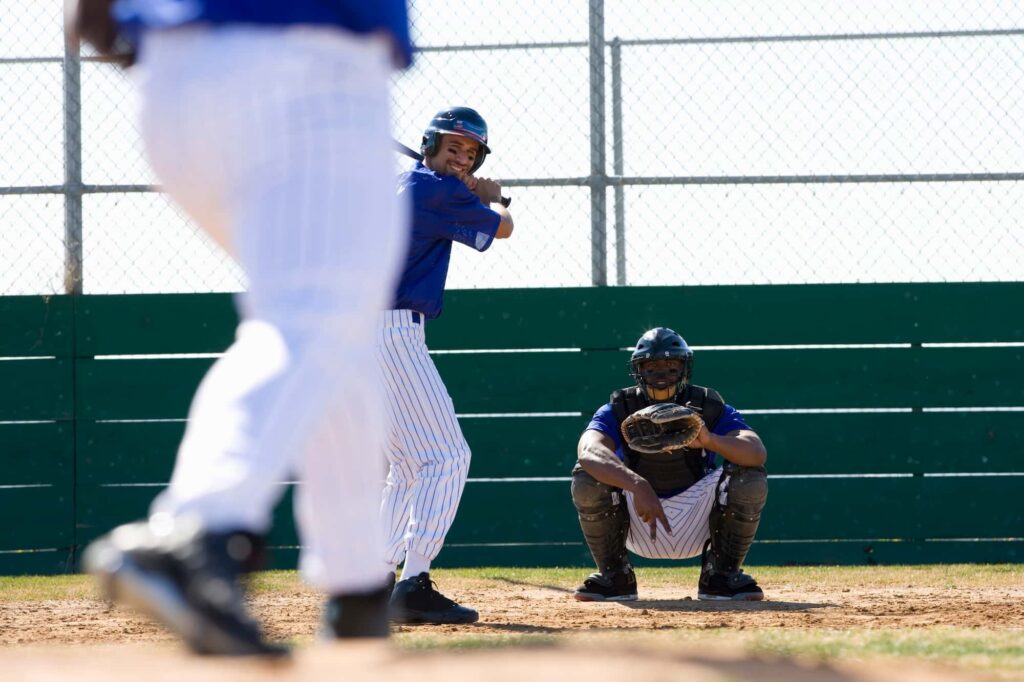
On-field coordination is one of the most important factors in any team sport. Whether it’s football, cricket, hockey, or basketball, success depends not only on individual talent but also on how well players work together in real time. Strong coordination leads to better communication, faster decision-making, and more effective execution during matches.
What Is On-Field Coordination?
On-field coordination refers to how well team members synchronize their movements, strategies, and communication during gameplay. It involves understanding each other’s roles, anticipating actions, and responding quickly to changing situations.
Good coordination turns a group of individual players into a unified team.
Why Coordination Matters
Even highly skilled players can struggle if they lack coordination. Teams with strong synergy often outperform more talented but disorganized opponents.
Key benefits include:
- Faster and more accurate decision-making
- Improved defensive and offensive structure
- Reduced errors and miscommunication
- Better use of space and timing
- Increased team confidence
Coordination is what allows strategies to be executed smoothly under pressure.
Build Strong Communication
Communication is the foundation of coordination. Players must constantly share information during gameplay, whether verbally or through signals and body language.
Effective communication includes:
- Calling out passes or movements
- Alerting teammates to opponents
- Using hand signals or pre-agreed codes
- Providing quick feedback during play
Clear and simple communication prevents confusion and improves reaction time.
Understand Team Roles Clearly
Every player should understand their role within the team structure. When roles are unclear, overlap and confusion occur, leading to mistakes.
To improve role clarity:
- Assign specific responsibilities to each position
- Practice scenarios where roles are tested
- Rotate positions during training to build awareness
- Reinforce tactical instructions regularly
When everyone knows their job, coordination becomes more natural.
Practice Game-Like Situations
Training should closely simulate real match conditions. Drills that replicate pressure situations help players develop instinctive coordination.
Useful training methods include:
- Small-sided games
- Tactical drills with restricted space
- Time-bound decision-making exercises
- Opponent-based simulations
These exercises help players react quickly and work together efficiently.
Develop Trust Among Players
Coordination improves significantly when players trust each other’s decisions and abilities. Trust allows for faster actions without hesitation.
Ways to build trust:
- Consistent team practice sessions
- Encouraging teamwork over individual play
- Reviewing match footage together
- Supporting teammates after mistakes
A trusting team plays more confidently and cohesively.
Improve Spatial Awareness
Spatial awareness is the ability to understand positioning on the field in relation to teammates and opponents. It helps players make better decisions without needing constant instruction.
To improve spatial awareness:
- Practice scanning the field frequently
- Learn to anticipate movement patterns
- Study team formations and positioning
- Play under varying space constraints
Better awareness leads to smarter positioning and smoother coordination.
Use Repetition to Build Chemistry
Repetition is essential for developing natural teamwork. The more players train together, the better they understand each other’s timing, movement, and style.
Consistent repetition helps:
- Build automatic responses
- Improve timing between passes and runs
- Reduce hesitation during gameplay
- Strengthen overall team chemistry
Over time, coordination becomes instinctive rather than forced.
Analyze and Learn from Matches
Post-match analysis is a powerful tool for improving coordination. Reviewing gameplay helps identify breakdowns in communication and positioning.
Focus on:
- Missed passes or miscommunication
- Defensive gaps or overlaps
- Timing errors in attacks
- Situations where coordination broke down
Learning from mistakes helps teams improve continuously.
Stay Calm Under Pressure
High-pressure moments often expose coordination weaknesses. Teams that remain calm are more likely to stick to their structure and communicate effectively.
To improve composure:
- Practice under timed or high-intensity conditions
- Develop pre-planned responses for key situations
- Encourage positive communication during stress
- Focus on process rather than outcome
Calm teams coordinate better when it matters most.
Conclusion
Improving on-field coordination is a continuous process that requires communication, trust, practice, and awareness. When players understand each other and work toward a shared objective, the entire team becomes more efficient and effective. Strong coordination doesn’t just improve performance—it transforms how a team plays together as a unified force.